Charcoal vs Gas Built-In Grills: 7 Things to Compare
Last Updated: November 20, 2026
Charcoal vs gas built-in grills comes down to how you cook and how you want your island to work. Charcoal gives you smoke character and live-fire heat but adds lighting time and ash cleanup. Gas lights at the turn of a knob and adjusts burner by burner, but it needs a propane or natural gas supply planned into the island. A hybrid built-in gives you both in one cutout. This guide compares seven things that separate them: flavor, heat-up time, temperature control, cleanup, fuel, island planning and the models themselves.
Table of Contents
- Start With How You Actually Cook
- Charcoal vs Gas Grill Taste: Smoke, Sear and Flavor
- Gas vs Charcoal Grill Heat-Up Time
- Charcoal Grill Temperature Control: Vents and the Coal Bed
- Charcoal Grill Cleanup and Ash Handling
- Fuel Supply and Island Planning
- Charcoal, Gas and Hybrid Built-Ins at a Glance
- Built-In Grills Compared: Charcoal, Gas and Hybrid Models
- Frequently Asked Questions
Start With How You Actually Cook
Start with your habits, not a spec sheet. Charcoal suits a cook who enjoys building and tending a fire and treats the grill as part of the evening. Gas suits a cook who wants to walk outside, light the burners and have dinner moving quickly, including on weeknights.
Think about the cooks you actually do most weeks, not the one big gathering a year. That everyday pattern is the best guide to which fuel fits.
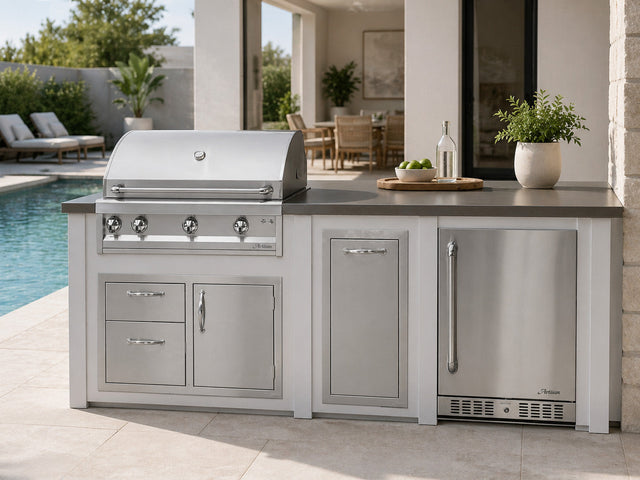
A built-in grill is also a longer-term decision than a freestanding one. A built-in grill head is installed in a cutout in an outdoor kitchen island, so the fuel choice shapes the island design around it. If you are still deciding between a cart-style grill and a built-in, start with our guide to freestanding gas grill vs. built-in grill.
Charcoal vs Gas Grill Taste: Smoke, Sear and Flavor
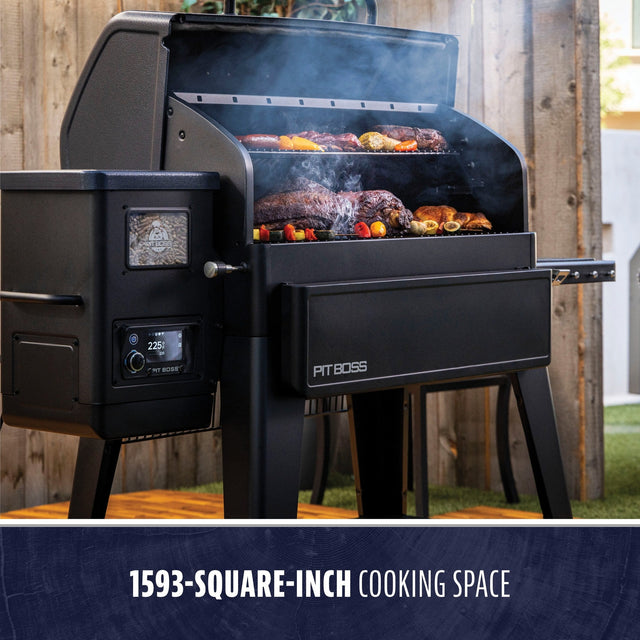
Charcoal and gas produce different results on the plate. On a charcoal grill, the fuel burns under the cooking grate, and fat that drips onto hot coals turns to smoke that rises back over the food. That is a big part of the smoky flavor many people connect with charcoal grilling.
Gas burners produce heat with much less smoke of their own. That suits fish, vegetables and anything where you want the food's own flavor to lead. On gas, added flavor comes from rubs, marinades, a good sear, or wood chips in a smoker box where the grill supports one.
Both fuels can sear. On charcoal, a two-zone fire (coals banked on one side) gives you a hot zone for searing and a cooler zone for finishing. On gas, you get a similar setup by running some burners high and others low.
Smoke flavor on charcoal is not automatic. A short, very hot cook adds less smoke character than a longer cook, so results depend on how you build and run the fire.

Gas vs Charcoal Grill Heat-Up Time
Gas is generally the faster start. The burners light at the turn of a knob, and the grill preheats with the lid closed while you prep.
Charcoal takes longer because the coals have to light and burn down before you cook. How long depends on how much fuel you use and how you light it.
Here is the practical split:
- Gas: light the burners, close the lid and preheat while you prep. A good fit for spontaneous dinners and quick cooks.
- Charcoal: light the coals first, then prep. A good fit for planned cooks where the fire is part of the evening.
- Hybrid: some hybrid built-ins can use their gas burners to light charcoal or wood, which shortens the start. Check the product page for how a specific model does it.
Don't judge charcoal by a rushed weeknight cook. It is slower to start, but once the fire is established and the vents are set, it can hold steady heat for longer cooks.
Charcoal Grill Temperature Control: Vents and the Coal Bed
Charcoal grill temperature control comes from two things: how much lit fuel you have and where it sits, and how much air reaches it through the vents. More lit coals and open vents mean more heat. Fewer coals and partly closed vents mean lower, slower heat.
The coal bed itself is a control. Banking coals on one side gives you direct and indirect zones, so you can sear over the coals and finish away from them. Some built-in charcoal grills go further: the Bull Bison Built-In Charcoal Grill has an adjustable charcoal bed, a vent system and a gasketed firebox, which its listing says are there to control airflow and heat from low-and-slow cooking to high-heat searing.
Vents take practice. Make small adjustments and give the fire a few minutes to respond before you change them again. Big swings usually overshoot.
Gas control is more immediate: turn a knob and the flame changes. The trade-off is less smoke character from the fuel itself.
Charcoal Grill Cleanup and Ash Handling
Cleanup is where charcoal and gas built-ins differ most day to day. Charcoal leaves ash after every cook, and that ash has to cool completely before you handle or dispose of it. Ash can stay hot under a cool-looking surface, so don't empty it into a plastic container or near anything that can burn.
How ash comes out varies by model, so check the owner's manual for the grill you are considering. Then plan the island so that removal is easy:
- A lidded metal container for cooled ash, kept near the grill but off the counter.
- A safe landing spot on a non-combustible surface for anything you remove from the firebox.
- Clear front access to the grill, not blocked by doors, drawers or a narrow walkway.
Both fuels produce grease. Gas grills typically collect drippings in a drip tray or grease tray, and charcoal grills deal with drippings in the firebox along with the ash. Either way, cleaning the grates and keeping grease under control are part of regular care.
Before you finalize the layout, it helps to plan your outdoor kitchen island space requirements so walkways, landing space and door swings work around the grill.
Fuel Supply and Island Planning
Fuel is the decision that gets locked in earliest on a built-in grill. A freestanding grill can be moved or replaced. A built-in grill head is installed in an island built around its cutout, so changing fuel type later is a bigger job.
The three fuel paths look like this:
- Charcoal is bought by the bag and stored dry. There is no gas line or tank to plan for, but the island needs dry fuel storage and a plan for ash.
- Propane comes from a portable cylinder or, where the product and setup allow, a larger property-level tank. Plan where the supply will sit and how you will reach the connection.
- Natural gas runs from a home's gas supply where one is available, so there are no cylinders to refill. It needs a gas line run to the grill location.
Gas built-ins are sold in propane or natural gas versions, so pick the version that matches your supply before you order. Have a qualified, licensed professional handle gas connections, and follow the manufacturer's installation manual and local codes.
The enclosure matters too. Each built-in lists its own requirements for cutout size, ventilation and clearances. The Bull Bison listing calls for a suitable non-combustible enclosure, while the American Made Grills hybrids note that insulated grill liners are sold separately for combustible enclosures. Read the manual for the exact model before the island is built.
Running cost depends on how often and how long you cook, how much fuel you load, and local fuel prices, so it varies from household to household.
Charcoal, Gas and Hybrid Built-Ins at a Glance
| Factor | Charcoal Built-In | Gas Built-In | Hybrid Built-In |
|---|---|---|---|
| Smoke flavor | More, shaped by how you run the fire | Less from the fuel itself | Depends on the fuel you use |
| Start-up | Slower; coals must light first | Faster; burners light at a knob | Fast on gas; varies with solid fuel |
| Temperature control | Vents and coal bed | Burner knobs | Both, by fuel |
| Cleanup | Ash plus grease | Grease | Ash when using solid fuel |
| Fuel | Bagged charcoal | Propane or natural gas version | Gas plus charcoal or wood |
| Island planning | Ash access and fuel storage | Gas line or propane supply | Both |
Built-In Grills Compared: Charcoal, Gas and Hybrid Models
Each type suits a different cook. Here is how the built-in options at Backyard Kitchens Direct line up.
Charcoal built-in. The Bull Bison Built-In Charcoal Grill is a built-in charcoal grill head made from 14-gauge 304 stainless steel, with an adjustable charcoal bed, stainless steel cooking grates, a warming rack and a thermometer. It suits the cook who wants live-fire flavor and enjoys managing the fire.
Gas built-in. The Wildfire Ranch Pro Built-In Gas Grill comes in 30-, 36- and 42-inch sizes in stainless or black stainless steel, in natural gas or propane, with cast stainless steel burners, a rear infrared burner, interior lighting and illuminated controls. It is designed to coordinate with Wildfire's Ranch Pro griddles, burners and storage; see the full Wildfire Outdoor Living lineup, or compare every model in the built-in gas grills collection.
Hybrid built-in. The American Made Grills hybrid grills, the Encore and the Muscle, are multi-fuel built-in grill heads offered in 36- and 54-inch sizes. Their listings describe cooking on gas, charcoal, lump charcoal or wood chunks, or any combination, and using the gas burners to light solid fuel. Both come in propane or natural gas versions.

Whichever you choose, check the product page and installation manual for cutout size, enclosure requirements and fuel version before the island is built.
Backyard Kitchens Direct is veteran-owned. Questions before ordering? Call (904) 621-2505.
Frequently Asked Questions
Is a built-in charcoal grill or a built-in gas grill better for an outdoor kitchen?
It depends on how you cook. A built-in gas grill lights quickly and adjusts with burner knobs, which suits frequent, quick cooks. A built-in charcoal grill suits cooks who enjoy live-fire cooking and smoke flavor, and it adds ash cleanup. A hybrid built-in lets you use both.
Does charcoal give grilled food more flavor than gas?
Charcoal usually adds more smoke character, because the fuel itself smokes and drippings hit hot coals. Gas burners add less smoke, so flavor comes from rubs, marinades, a good sear or wood chips in a smoker box where the grill supports one. Neither is better for everyone; they give different results.
Which heats up faster, a built-in charcoal grill or a built-in gas grill?
Gas is generally faster, because the burners light at the turn of a knob. Charcoal has to light and burn down before you cook. Exact times vary by model, the amount of fuel and the weather.
How should ash handling factor into an outdoor kitchen island design?
Plan it before the island is built. Check the grill's manual for how ash is removed, keep clear front access to the grill, and set aside a spot for a lidded metal container and a non-combustible landing surface. Let ash cool completely before you handle it.
Can a built-in charcoal grill go in any outdoor kitchen island?
Not automatically. Each built-in lists its own cutout, ventilation and clearance requirements, and some call for a non-combustible enclosure. Review the installation manual for the exact model and confirm the details with a qualified installer before construction.