


Infrared Burners on Gas Grills: Benefits and Considerations
Table of Contents
- What Infrared Burners Do on Gas Grills
- How Infrared Heat Distribution Works
- Infrared Grill Pros and Cons
- Searing Capabilities and Flavor Retention
- How to Use an Infrared Sear Station
- Cleaning and Maintenance of Infrared Burners
- Is an Infrared Burner Worth the Investment
- Frequently Asked Questions
Last Updated: September 10, 2026
What Infrared Burners Do on Gas Grills
An infrared burner on a gas grill is a specialized heating element that uses radiant heat to cook food, rather than the direct convection heat produced by traditional gas burners. Instead of heating air that then cooks the food, infrared burners emit intense radiant energy that travels directly to the cooking surface and the food itself. Infrared burners typically sit at the rear of a grill or as a dedicated zone and use either ceramic emitter panels or specialized burner designs to produce this concentrated radiant heat. The result is surface temperatures that can exceed what traditional burners achieve, making infrared systems particularly effective for high-heat applications like searing steaks, rotisserie cooking, or finishing dishes.

Homeowners considering a grill upgrade often ask whether infrared burners justify the added investment. The answer depends on your cooking style and priorities. If you frequently sear meat, want faster cooking times, or value even heat distribution across your cooking surface, infrared technology offers real advantages. If you mainly grill burgers and hot dogs, traditional gas burners may be enough.
How Infrared Heat Distribution Works
Infrared radiation operates through a different physical principle than convection heating. Rather than warming the air around food, infrared energy travels as electromagnetic waves directly to the cooking surface. A ceramic burner or emitter panel becomes extremely hot and radiates this energy downward onto the grill grates and food, creating more uniform cooking temperatures across the cooking zone.
Most infrared systems use either a perforated ceramic plate or a specially engineered burner that directs heat through a narrow opening. As the ceramic material or burner element reaches operating temperature, it radiates heat in a focused pattern. This concentrated delivery of thermal energy means less heat is wasted on the surrounding air and more reaches your food directly. The grate temperature stabilizes faster and stays higher, making conduction more efficient.
The practical effect is dramatic: infrared burners reach usable cooking temperatures in seconds, not minutes. Traditional gas burners heat air gradually; infrared burners emit intense energy immediately. This speed advantage matters when you're cooking multiple steaks back-to-back or need to sear a large batch of proteins quickly. Heat intensity remains consistent across the cooking zone because radiant energy doesn't dissipate as quickly as heated air.
Infrared Grill Pros and Cons
Advantages of Infrared Burners
Faster warm-up and cooking times. Infrared burners reach operating temperature within seconds of ignition, compared to 10-15 minutes for traditional gas burners (peer-reviewed research). Food cooks faster once on the grate because the intense radiant heat penetrates the surface more efficiently than convection alone.
Superior searing and crust development. The high surface temperature of infrared burners creates conditions ideal for the Maillard reaction, the chemical process that produces the flavorful brown crust on meat. Steaks develop a caramelized exterior while the interior remains medium-rare, which is difficult to achieve on traditional grills without overcooking the center.
Even heat distribution across the cooking zone. Because radiant heat travels directly to the cooking surface rather than circulating through air, temperature variation across the grate is minimal. Hot spots and cold spots that plague traditional gas grills are largely eliminated.
Reduced flare-ups and moisture retention. Infrared burners produce less direct flame contact with food drippings. The ceramic emitter panel or burner design shields the flame, so fat and juices that fall don't ignite into flare-ups. Food also retains more natural juices because the intense, brief heat exposure quickly seals the surface.
Fuel efficiency. Because infrared systems deliver energy directly to food rather than heating surrounding air, they waste less fuel. A freestanding gas grill equipped with infrared burners typically uses less propane or natural gas to achieve the same cooking results.
Limitations to Consider
Higher upfront cost. Infrared technology adds to a grill's cost. For homeowners on a tight budget, this premium may not be justified if cooking speed and searing performance are secondary priorities.
Learning curve in technique. Infrared burners cook so fast that timing becomes more critical. A steak that reaches perfect doneness in 3 minutes on an infrared burner might take 6-8 minutes on a traditional grill. Home cooks need to adjust their approach and monitor food more carefully during the initial transition.
Ceramic emitter panels require care. The ceramic components that produce radiant heat are durable but not indestructible. Direct impact, thermal shock from cold water on a hot surface, or corrosion from salt air can damage them. Maintenance and occasional replacement are part of owning an infrared grill.
Not ideal for low-and-slow cooking. Infrared burners excel at high-heat applications but offer fewer advantages for low-temperature smoking or slow cooking. For this reason, many grills with infrared burners also include traditional burners.
Limited to rear burner or dedicated zone. Most residential grills place the infrared burner at the rear or as one zone among several. This design limits where you can use infrared heat.
Searing Capabilities and Flavor Retention
The most compelling reason homeowners choose infrared burners is their unmatched searing performance. A thick steak placed on an infrared-heated grate develops a caramelized crust in seconds while the interior remains perfectly medium-rare. This happens because infrared burners can reach surface temperatures well above the 600-700°F range typical of traditional burners, more than enough to trigger the Maillard reaction quickly. Peak temperature varies by model, so check the manufacturer's specifications for the grill you're considering.
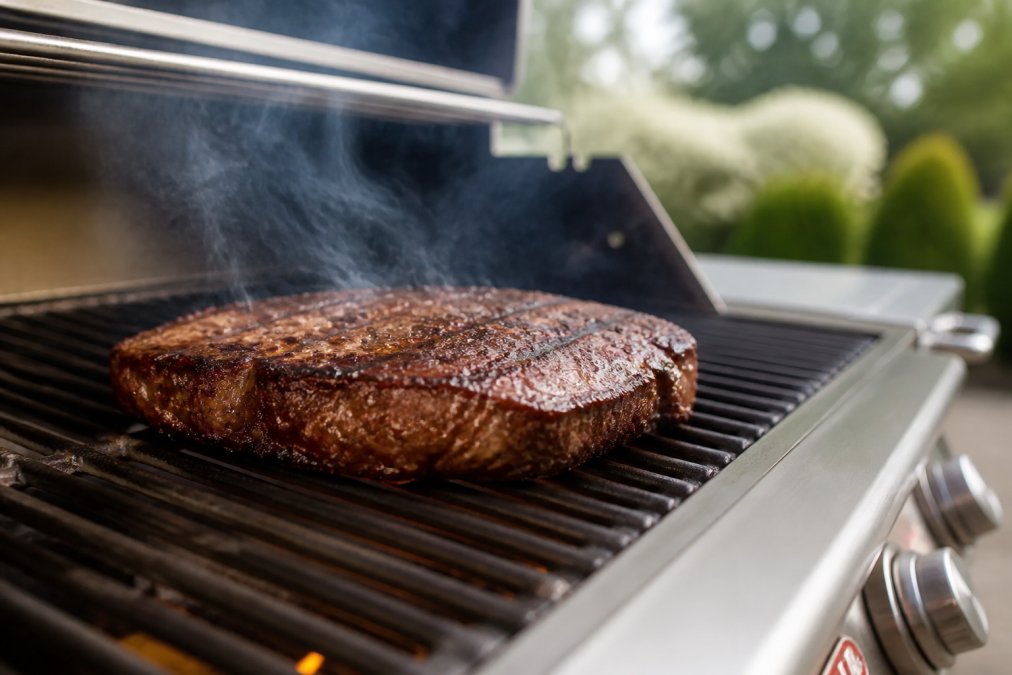
The Maillard reaction is the chemical process that creates complex flavors and the appealing brown color on seared meat (peer-reviewed research). It requires both high temperature and brief exposure. Traditional gas burners produce grate temperatures around 600-700°F, which is sufficient for grilling but not optimal for aggressive searing (peer-reviewed research). Infrared burners push surface temperatures higher, triggering the reaction faster and more completely.
Infrared heat also preserves natural juices inside meat. The intense, rapid heat seals the exterior before moisture can escape. On a traditional grill, food cooks more slowly, allowing juices to evaporate gradually. Infrared cooking delivers juicier proteins with better retention of natural flavors. This advantage extends to chicken, fish, and vegetables, which all benefit from the rapid, intense heat.
How to Use an Infrared Sear Station
Using an infrared sear station effectively requires understanding how it differs from traditional burners. Most infrared zones are positioned at the rear of the grill or as a dedicated side burner.
Step 1: Preheat the infrared zone. Turn on the infrared burner and allow it to reach full temperature. This typically takes 30-60 seconds. You'll know it's ready when the ceramic emitter glows visibly or when you feel intense radiant heat above the grate.
Step 2: Prepare your protein. Pat meat dry with paper towels and season generously. Surface moisture interferes with searing, so dry meat is essential.
Step 3: Position the meat carefully. Place the steak or protein directly over the infrared zone. The intense heat means you don't need to move it around. Let it sit undisturbed for 90-120 seconds on the first side.
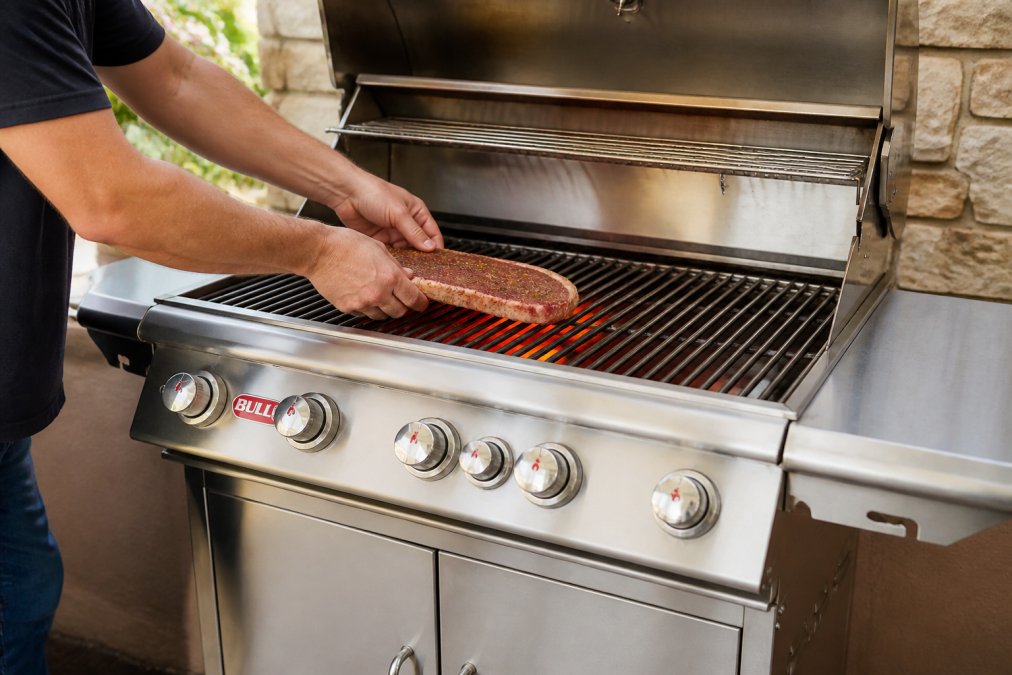
Step 4: Flip once and finish. After the first side develops a crust, flip the meat and sear the second side for 60-90 seconds. For a 1.5-inch steak, this two-sided sear followed by a move to a cooler zone will achieve medium-rare doneness.
Step 5: Rest before serving. Remove the meat from heat and let it rest for 3-5 minutes. This lets the juices redistribute throughout the meat, ensuring tenderness.
The key difference from traditional grilling is the speed and intensity. Infrared searing happens fast; watch your food carefully during the first attempt until you develop a feel for timing. Once you adjust your mental clock, infrared searing becomes intuitive and produces consistently excellent results.
Cleaning and Maintenance of Infrared Burners
Infrared burners require more attention than traditional gas burners because the ceramic or specialized emitter components are more delicate. Regular maintenance extends their lifespan and keeps them performing at peak efficiency.
Routine cleaning after each use. Allow the grill to cool slightly, then brush the grates with a grill brush to remove food residue and ash. For the infrared zone, avoid harsh scrubbing directly on the ceramic emitter. Use a soft brush or compressed air to remove debris from around the emitter panel. If grease accumulates, wipe it gently with a damp cloth. Never pour cold water directly on a hot ceramic surface, as thermal shock can crack it.
Seasonal deep cleaning. Once or twice per grilling season, remove the grates and emitter panel (if removable) and clean them thoroughly. Use warm soapy water and a soft brush for the emitter. For stubborn buildup on grates, soak them briefly in a degreaser, then scrub and rinse. Dry everything completely before reassembling.
Protecting ceramic components. Avoid direct impact to the ceramic emitter panel. When storing the grill for winter or extended periods, cover it to prevent moisture accumulation, which accelerates corrosion. In coastal areas with salt air, extra protection helps prevent premature degradation.
Checking for damage. Inspect the ceramic emitter regularly for cracks, chips, or discoloration. Small cracks may not affect performance immediately but will worsen over time. If the emitter appears significantly damaged, you'll typically need to replace it.
Gas line and burner maintenance. The gas burner that feeds the infrared zone requires the same care as traditional burners. Keep the gas ports clear of debris. If the burner doesn't ignite reliably or produces uneven heat, the ports may be clogged and need cleaning with a small wire or specialized cleaning tool.
Proper maintenance is straightforward but essential. Homeowners who neglect cleaning find that infrared burners deteriorate faster than traditional burners because the ceramic components are exposed to higher temperatures.
Is an Infrared Burner Worth the Investment
Whether an infrared burner justifies the added expense depends on your cooking priorities and how often you use your grill.
Infrared makes sense if you:
- Frequently sear steaks, chops, or other proteins where crust quality matters
- Value cooking speed and want to minimize prep and cooking time
- Cook multiple items simultaneously and need consistent heat distribution
- Appreciate the convenience of faster warm-up times
- Are willing to learn a slightly different cooking technique
Traditional burners may be sufficient if you:
- Primarily grill burgers, hot dogs, and casual fare
- Have budget constraints and prefer lower upfront cost
- Rarely need high-heat searing performance
- Prefer the simplicity of a single burner type across your grill
- Plan to do significant low-and-slow cooking where infrared offers no advantage
The real question is whether the performance gains align with how you actually cook. A homeowner who grills frequently and values speed and searing quality will find infrared burners valuable. Someone who grills casually and on a budget may find traditional burners perfectly adequate.
At Backyard Kitchens Direct, we help homeowners clarify these priorities when selecting a grill. The Bull Brahma 38-Inch Built-In Gas Grill shown above, for example, pairs five cast stainless steel main burners with an infrared back burner, giving you the flexibility to use infrared for searing while maintaining traditional burners for everyday cooking. This hybrid approach balances performance and versatility without committing your entire grill to infrared technology.
Consider your cooking style honestly. If searing and speed are secondary to your grilling experience, the premium cost of infrared may not deliver enough return on investment. If those factors drive your cooking decisions, infrared burners are worth the expense because they deliver measurable improvements in results and cooking efficiency.
Infrared burners on gas grills deliver real advantages in searing performance, cooking speed, and heat consistency. They're not essential for casual grilling, but they're valuable if you prioritize crust development and cooking efficiency. Backyard Kitchens Direct offers grills with infrared burner options that let you experience these benefits while maintaining the flexibility of traditional burners for everyday cooking. Explore our gas grills to find the right balance of infrared performance and versatility for your backyard.
Frequently Asked Questions
Is an infrared burner on a gas grill worth the investment?
An infrared burner is worth it if you regularly sear steaks, chops, or other cuts that benefit from high-intensity heat and a strong crust. Radiant heat speeds up the Maillard reaction, sealing in natural juices and creating flavor depth that standard burners struggle to match. If your cooking focuses on low-and-slow smoking or casual grilling, the added cost may not justify the benefit. Consider your cooking style and how often you cook before deciding.
What are the main differences between infrared and traditional gas burners?
Traditional gas burners heat the air around food through convection and some direct flame contact. Infrared burners use ceramic emitter panels or radiant heat technology to deliver intense, focused thermal energy directly to the cooking surface. This creates higher surface temperatures faster, reduces warm-up time, and produces more even heat distribution across the grill grates. Infrared also generates fewer flare-ups because dripping fat doesn't ignite as easily under radiant heat.
Can you use an infrared burner for low-and-slow cooking?
Most infrared burners are designed for high-heat searing and are not ideal for low-and-slow cooking. They reach peak temperature quickly and are difficult to dial down to the low BTU output needed for smoking or slow roasting. If low-and-slow cooking is a priority, pair an infrared burner with traditional main burners so you can use the right heat source for each task. Some grills with modular designs allow you to leave the infrared burner off and cook exclusively on the main burners.
What maintenance do infrared burners require?
Infrared burners need regular cleaning to maintain efficiency. Ceramic emitter panels can crack if exposed to sudden temperature changes or physical impact, so avoid pouring cold water on a hot burner. Check burner ports and the emitter panel for grease buildup and debris after each use. If the burner produces uneven heat or won't ignite, the ports may be clogged. Most infrared systems are designed for straightforward maintenance, but replacement parts can be more expensive than standard burner components.


