


Propane vs. Natural Gas Freestanding Grills
Table of Contents
- Start With the Exact Grill Model
- What Changes Between Propane and Natural Gas?
- Plan for Placement and Flexibility
- Follow Model-Specific Connection Guidance
- Consider Fuel Supply and Day-to-Day Use
- Treat Conversion as a Model-Specific Decision
- Compare Available Freestanding Options
- Use This Decision Framework
- Frequently Asked Questions
Last Updated: September 2, 2026
Start With the Exact Grill Model
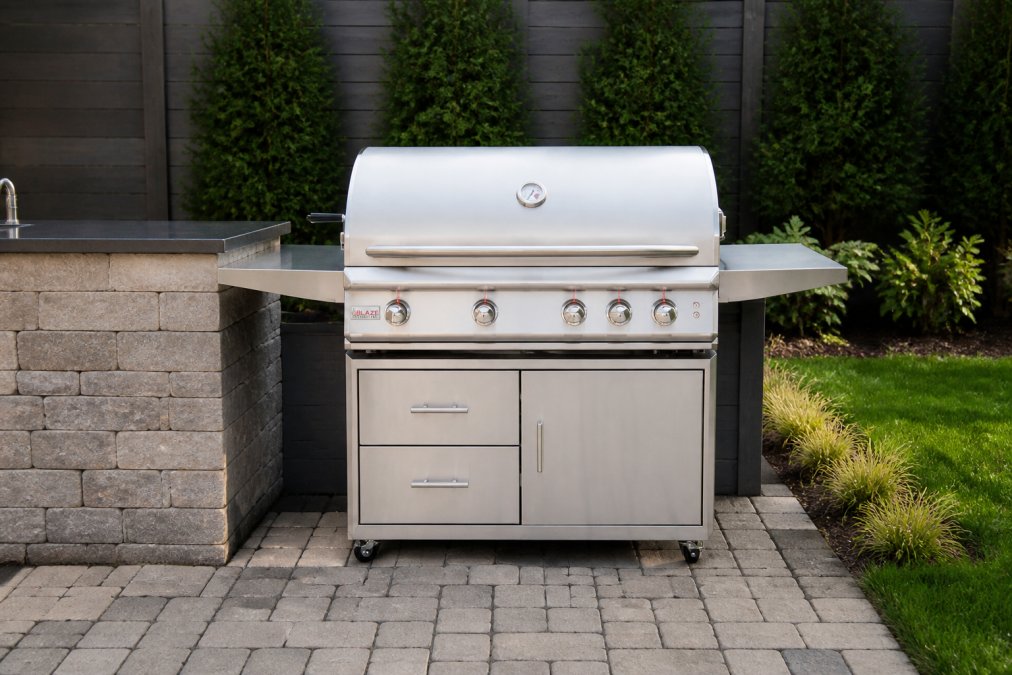
Choosing between propane and natural gas starts with a simple rule: select the fuel configuration that is offered and documented for the exact freestanding grill you want. Many premium grill lines are sold in separate liquid propane and natural gas versions. Others are available in only one configuration. Product appearance alone does not establish fuel compatibility.
Both fuel options can be appropriate for outdoor cooking. The better fit depends on the model's available configuration, your fuel access, where you want the grill to live, and the requirements in its owner's manual. This is not a performance contest decided by a single BTU number.
Backyard Kitchens Direct's freestanding gas grills include premium models designed for different outdoor-cooking plans. Confirm the selected SKU, fuel type, dimensions, included components, and manufacturer documentation before ordering.
What Changes Between Propane and Natural Gas?
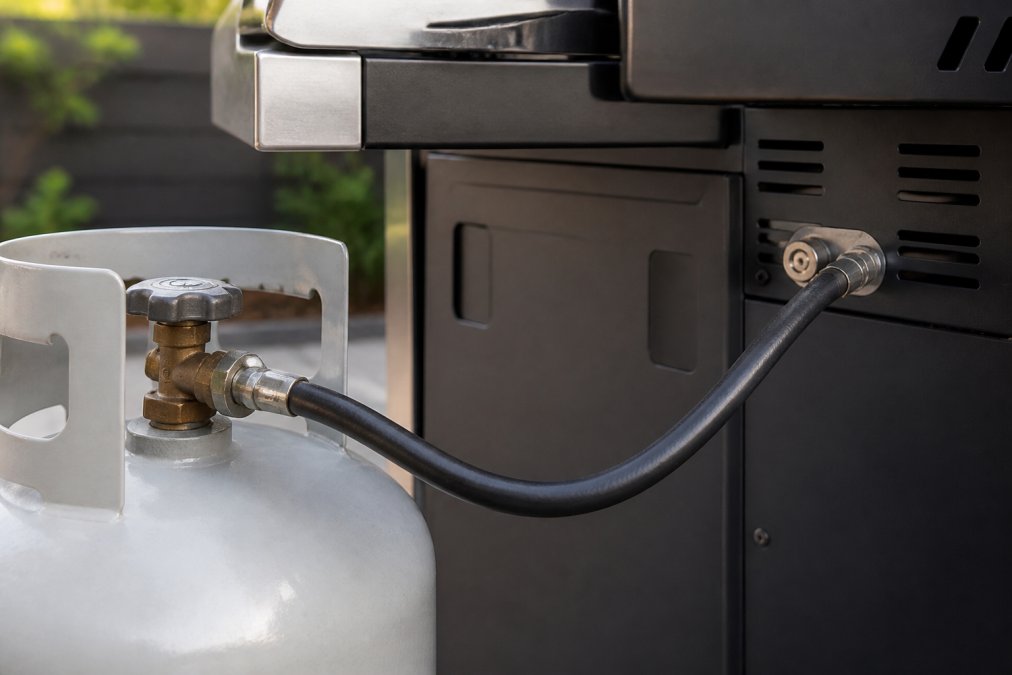
Propane and natural gas use different fuel supplies and model-specific connection hardware. A propane-configured grill is designed for the manufacturer-approved propane-cylinder setup. A natural-gas-configured grill is designed to be connected in accordance with the manufacturer's natural-gas instructions.
The practical difference is how fuel reaches the grill. Propane uses a portable cylinder supply; natural gas depends on an appropriate gas source at the planned cooking location. Neither arrangement should be improvised. Use only the fuel type, hoses, regulators, fittings, and procedures identified in the manual for that exact grill.
BTU ratings are useful product specifications, but they are not a universal measure of cooking quality or a basis for comparing different fuel configurations across brands. Review the manufacturer's stated cooking area, burner layout, heat-control features, and fuel-specific specifications as one complete package.
Plan for Placement and Flexibility
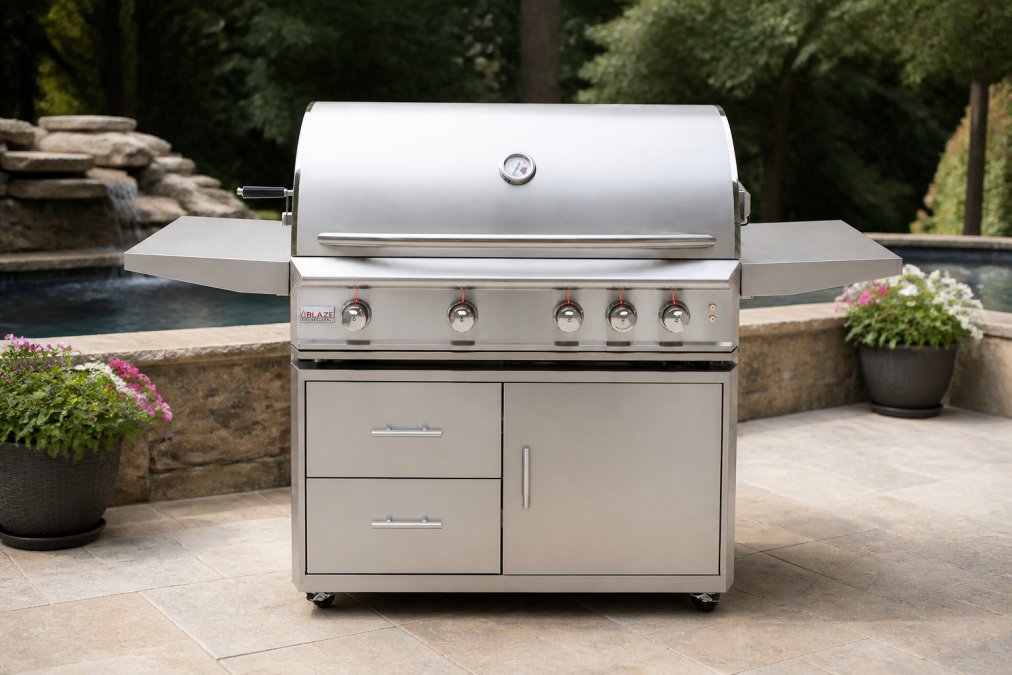
A freestanding grill with a propane configuration may suit a layout that needs more flexibility, provided the model's manual permits the planned use and placement. A natural-gas configuration generally makes the grill's intended location a more important early decision, since the fuel connection is tied to it.
Map the complete grill footprint before purchasing. Account for the cart, shelves, lid movement, prep space, seating, and traffic flow—not just the width of the grill head. Then follow the exact model's placement, clearance, ventilation, and operating instructions. Those requirements vary by manufacturer and product.
Follow Model-Specific Connection Guidance
Fuel connection is not a generic assembly step. The manual for the exact grill governs the approved fuel configuration, connection components, testing process, and operating instructions. If the planned natural-gas connection or local requirement calls for professional help, use an appropriate qualified professional rather than relying on general online advice.
Do not assume that all carts, cylinders, hoses, quick-connect fittings, shutoff arrangements, or natural-gas connections work the same way. The manufacturer's product page and owner's manual are the authoritative sources for the grill you are considering.
Consider Fuel Supply and Day-to-Day Use
Propane ownership includes monitoring the cylinder supply and arranging refills or exchanges according to your preferred local option. Natural gas removes cylinder management, but it requires the property and the selected grill configuration to support the planned connection.
Think about the routine you prefer. If you value an adaptable patio layout, a propane configuration may align with that goal. If you are planning a dedicated outdoor cooking location and have an appropriate natural-gas option for the specific grill, a natural-gas configuration may be worth evaluating. The answer depends on your setup—not a universal "best" fuel.
Treat Conversion as a Model-Specific Decision
Do not buy a grill assuming it can later be converted from propane to natural gas, or the reverse. Some manufacturers may document an approved conversion path for particular models; many do not. A conversion is appropriate only when the manufacturer explicitly supports it for that exact model and provides the required instructions and components.
When in doubt, purchase the fuel configuration you need from the start. That approach avoids turning a buying decision into an unsupported modification.
Compare Available Freestanding Options
When evaluating models, use the product page to confirm the specific fuel type before comparing features. The same product family may have different listings or variants for propane and natural gas.
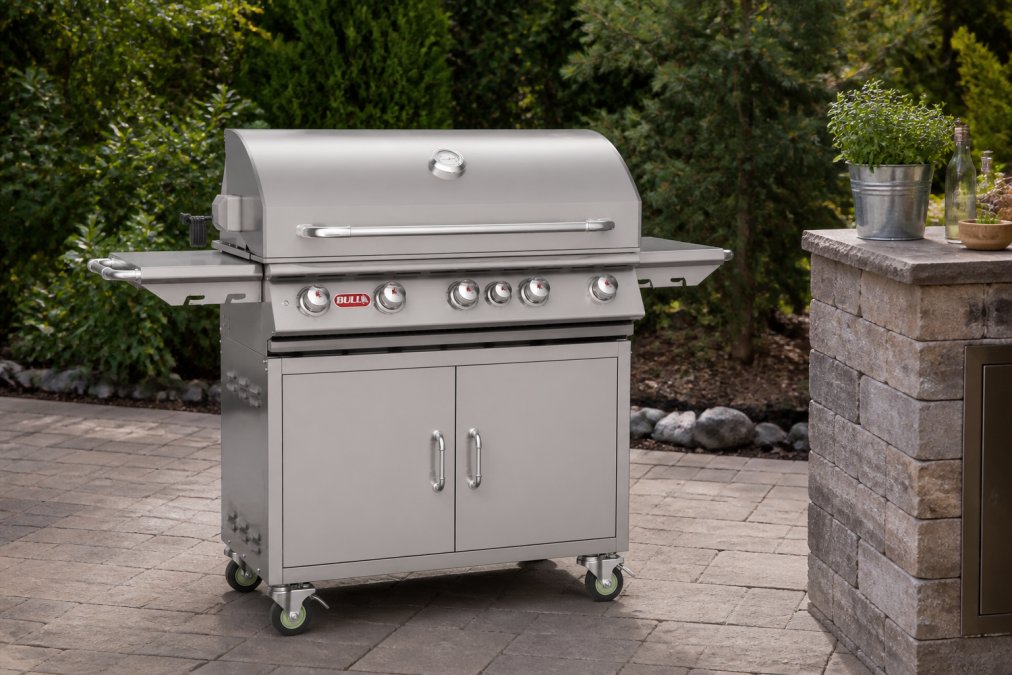
For a broader buying comparison, see Freestanding Gas Grill vs. Built-In Grill.
Use This Decision Framework
Question |
What to verify |
|---|---|
Is my preferred grill offered in the fuel type I need? |
The exact SKU, product page, and manufacturer documentation |
How fixed do I want the grill location to be? |
Your patio layout and the model's placement instructions |
What fuel supply can my property support? |
Manufacturer requirements and any applicable local requirements |
Can the model be converted later? |
Explicit manufacturer approval for that exact model |
The goal is not to force a fuel choice. It is to select a documented configuration that fits your property, preferred location, and how you want to cook outdoors.
Explore Backyard Kitchens Direct's gas-grill collection to compare current freestanding options.
Planning your own build?
Get our free Outdoor Kitchen Planning Checklist: 12 points to settle before you order.
Frequently Asked Questions
What is the main difference between propane and natural gas freestanding grills?
They use different fuel supplies and fuel-specific connection requirements. Confirm the exact model's approved configuration and instructions before purchasing or connecting a grill.
Can a propane freestanding grill be converted to natural gas?
Only if the manufacturer explicitly supports conversion for that exact model and provides the required instructions and components. Do not assume conversion is available.
Which fuel type is more flexible for a freestanding grill?
A propane configuration can suit a layout that needs flexibility, provided the model's manual permits the planned use and placement. A natural-gas configuration makes the planned grill location more important because of its fuel connection.
How do I choose the correct fuel type for a specific grill?
Start with the exact product listing and the manufacturer's documentation. Confirm the fuel configuration, placement and connection requirements, and whether the property supports your planned setup.


