Are Stainless Steel Outdoor Cabinets Worth It?
Table of Contents
- Why Stainless Steel Outdoor Cabinets Are Worth It
- How Stainless Steel Holds Up Outdoors
- Stainless Steel vs. Wood Outdoor Kitchen Storage
- Stainless Steel vs. Painted Outdoor Kitchen Storage
- Stainless Steel Grade and Thickness for Outdoor Use
- How to Clean Stainless Steel Outdoor Kitchen Components
- Long-Term Value
- Choosing Stainless Doors and Drawers for Your Island
- Frequently Asked Questions
Last Updated: October 26, 2026
Why Stainless Steel Outdoor Cabinets Are Worth It
For most outdoor kitchens, stainless steel is worth it for the storage. It resists rust better than untreated steel, it has no paint or finish to chip, and it cleans up with a soft cloth and mild soap instead of sanding and refinishing.
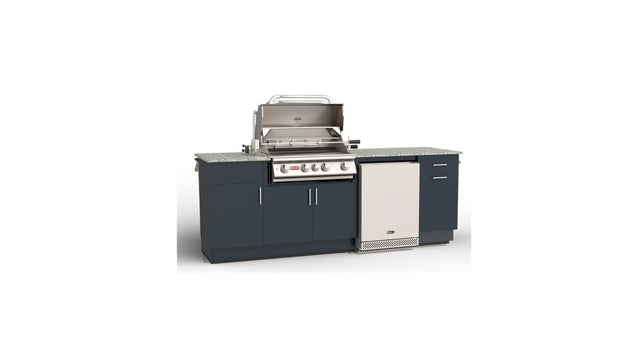
In an outdoor kitchen, "cabinets" usually means the stainless access doors and drawers set into an island. The island structure forms the cabinet box, and the doors, drawers, and trash drawers are what you open every time you cook. Those are the parts that take the weather, so they are where material matters most.
This guide covers how stainless holds up against rain, humidity, and salt air, how it compares with wood and painted storage, what grade and thickness mean, and how to clean it without damaging the finish.
How Stainless Steel Holds Up Outdoors
Stainless steel contains chromium, which reacts with oxygen to form a thin protective layer on the surface. That layer re-forms when the surface is lightly scratched, so there is no separate coating to wear through. That's the main difference from paint or powder coat.
Stainless is corrosion resistant, not corrosion proof. How well a given door or drawer holds up depends on its grade, the conditions where it sits, and how it's cared for.
Moisture, Rain, and Humidity
Rain and humidity are hard on most outdoor materials. Wood takes on moisture and can swell or crack as it dries. Painted steel can rust wherever the paint is scratched or chipped. Stainless sheds water and keeps its surface intact.
That doesn't mean it needs no attention. Wipe it down when it looks dull, dry standing water, and keep leaves and debris from sitting on top surfaces and ledges.
Salt Air and Coastal Conditions
Salt air is the toughest test for outdoor stainless. Salt deposits hold moisture against the metal, and near the coast you may see surface spotting or tea-colored staining sooner than you would inland.
If your home is near saltwater, rinse your outdoor kitchen components regularly to remove salt buildup, and check the manufacturer's material specification and care guidance before you buy. Distance from the water, wind, and how sheltered the island is all change how hard the exposure is.
Stainless Steel vs. Wood Outdoor Kitchen Storage
Wood brings warmth and a look stainless can't match, and for some backyards that matters most. The trade-off is upkeep. Wood moves with moisture, so doors can swell and stick in humid weather, and the finish needs periodic sealing or refinishing to keep water out.
Stainless asks for less. There's no sanding, sealing, or refinishing schedule. For a homeowner who wants the doors and drawers to keep looking and working the same for years, that difference is the main argument for stainless.
Stainless Steel vs. Painted Outdoor Kitchen Storage
Painted or powder-coated storage is often steel or aluminum under a colored finish. It looks good and offers color choices stainless doesn't, and it can cost less up front. Its protection depends on the finish staying intact. If the finish is chipped at an edge or hinge on painted steel, rust can start there.
Stainless has no finish layer to lose, because the corrosion resistance is in the metal itself. It has drawbacks, too: brushed stainless shows fingerprints and smudges more than a matte powder coat, so it needs more frequent wiping to look its best.
If you're weighing a painted or powder-coated unit, check the edges, corners, and hinge areas for chips before you buy.
Stainless Steel Grade and Thickness for Outdoor Use
Not all stainless is the same. The two grades you'll see most often in outdoor kitchen products are 304 and 316.
- 304 stainless is the grade used most widely in outdoor kitchen components. The Wildfire and Bull doors and drawers we carry list 304 stainless steel on their product pages.
- 316 stainless adds molybdenum, which improves resistance to salt and chlorides. It's often recommended for harsher coastal exposure.
| Grade | What it is | Where it's usually chosen |
|---|---|---|
| 304 | The most common stainless grade in outdoor kitchen components | Most outdoor kitchens, with regular care |
| 316 | Adds molybdenum for better salt and chloride resistance | Harsher coastal exposure |
Thickness matters alongside grade. Steel thickness is often listed as a gauge, and a lower gauge number means thicker metal, which resists denting and flexing better. The Bull Vertical Stainless Steel Access Door, for example, lists 304 grade, 16-gauge stainless with a double-walled door. Not every listing states gauge, so compare what each manufacturer publishes.
No guide can tell you which grade your property needs. When you compare two stainless units, put the grade, thickness, and hardware side by side rather than judging by shine, and check the manufacturer's material specification for the exact product.
How to Clean Stainless Steel Outdoor Kitchen Components
For routine cleaning, use a soft cloth, warm water, and a mild dish soap. Wipe with the grain of the brushed finish, rinse, and dry with a clean towel. Always follow the care instructions for your specific product first.
- Rinse more often near the coast to clear salt deposits.
- Skip steel wool and abrasive pads, which scratch the surface.
- Avoid chlorine bleach and chloride-based cleaners, which can damage stainless.
- Dry after wiping to prevent water spots.
- Wipe up spills and grease promptly rather than letting them sit.
For a fuller routine, see our guide on how to maintain outdoor kitchen stainless steel.
Long-Term Value
Stainless often costs more up front than painted or wood storage. Its case is what happens after you buy it. Think of the real cost as purchase price plus upkeep plus repairs or replacement over the years you own it.
Wood needs periodic refinishing and can need repairs if pieces swell or rot. Painted storage needs touch-ups, and on steel, chipped spots can rust. Stainless mostly needs regular cleaning. How that adds up depends on your climate, how exposed the island is, and how well the product is matched to those conditions.
Choosing Stainless Doors and Drawers for Your Island
Start with the island layout. A compact island may need only one access door and a drawer unit. A larger island might add a door and drawer combo, a double or triple drawer for cookware, and a trash drawer near the prep area. Door and drawer units install in cutouts, so confirm each product's cutout size before the island is built.
Our Doors & Drawers collection brings together Wildfire and Napoleon access doors, drawers, and combos. Bull's doors and drawers are in the Bull Outdoor Kitchens & Components collection.
The Wildfire Door/Drawer Combo is a good example of storage for a compact island: an access door and drawers in one unit, built from 304 stainless steel with soft-close hardware, in traditional or black stainless steel and two heights.

Frequently Asked Questions
Are stainless steel outdoor cabinets worth it compared with wood or painted storage?
For most outdoor kitchens, yes. Stainless resists rust better than untreated steel, has no paint or finish to chip, and cleans without sanding or refinishing. Wood offers a warmer look but needs regular sealing, and painted storage depends on its finish staying intact. Stainless often costs more up front, so weigh that against the upkeep you want to take on.
Does the stainless steel grade matter for outdoor use?
Yes, especially near salt air. 304 is the grade used most widely in outdoor kitchen components, and 316 adds molybdenum for better salt and chloride resistance. Check the manufacturer's material specification and care guidance for the exact product, especially if your home is near the coast.
How do you clean stainless steel outdoor kitchen components?
Use a soft cloth with warm water and mild dish soap, wipe with the grain, rinse, and dry. Avoid steel wool, abrasive pads, and chlorine bleach. Near the coast, rinse more often to remove salt. Follow the care instructions for your specific product first.
Which outdoor kitchen components are made from stainless steel?
Access doors, drawers, door and drawer combos, and trash drawers are common stainless storage pieces, along with built-in grills and burners. The Wildfire doors, drawers, and trash drawer we carry are 304 stainless steel with soft-close hardware, offered in traditional or black stainless steel.
Planning the storage for your island? Browse the full Wildfire lineup of doors, drawers, and island components on our Wildfire Outdoor Living brand page. Questions before ordering? Call (904) 621-2505.